Why We Should All Become Watershed Stewards
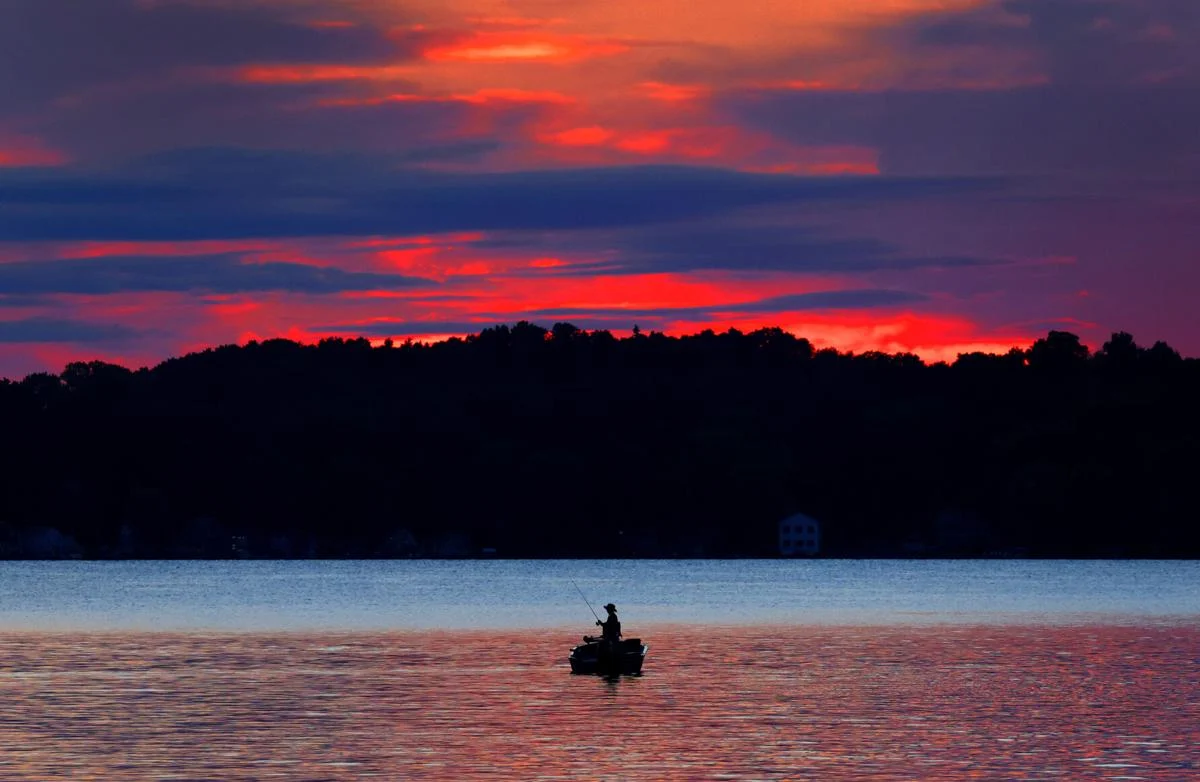

Each of us requires access to clean, fresh water to survive. Fortunately, for those of us who live in the Finger Lakes region, we have access to trillions of gallons of fresh water every day. We are fortunate to be surrounded by lakes.
But let’s talk about that water. Owasco Lake, for example, is 11 miles long and holds 212 billion gallons of fresh water. The lake is refreshed every four years. That means that every four years, those 212 billion gallons of water exit the lake and are replaced by another 212 billion gallons of freshwater. Cayuga Lake holds 2.5 trillion gallons of water, and it is refreshed every nine to 18 years. Skaneateles Lake holds 413 billion gallons of water and is refreshed every 18 years. The Finger Lakes combined hold 8.1 trillion gallons of water.
Something is happening throughout the Finger Lakes, and it’s not good. The frequency and intensity of harmful algal blooms (HABs) are increasing. In 2017, for the first time in history, all 11 Finger Lakes experienced HABs. What can we do?
Every lake or body of water resides in something called a watershed — that’s the land surrounding the body of water. The water moves throughout the watershed. It travels over suburban lawns and village streets, farm fields and forests. It rushes through storm drains and roadside ditches. It seeps into the soil and travels as groundwater. That falling, moving water may pick up contaminants along the way, continuing through a variety of sub-watersheds where it can pick up additional sediments and nutrients on its journey.
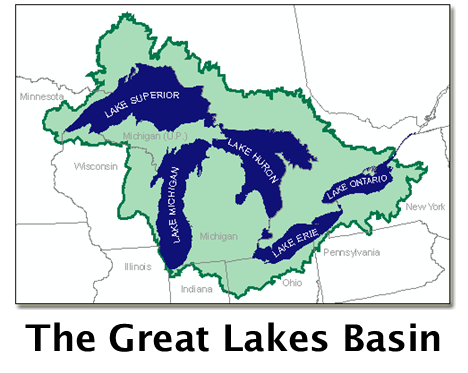
The Finger Lakes are located in an area called the Great Lakes Basin. The basin is a 295,200-square-mile watershed — the largest in the world. The watershed includes over 5,000 lakes, rivers and tributaries that connect the five Great Lakes — Lake Superior, Lake Huron, Lake Michigan, Lake Erie and Lake Ontario. That means that every drop of falling, flowing water that moves and is used within the 295,200-square-mile watershed ends up in those lakes, bringing with it any contaminants it may have acquired along the way. The bad news is that only 1% of the waters of the Great Lakes exit via the St. Lawrence River into the ocean every year. The waters of the Great Lakes are essentially a closed system, meaning most of the water within the lakes recirculates and stays within the system. This makes the lakes particularly susceptible to pollution buildup.
The Great Lakes hold an estimated 6 quadrillion gallons of freshwater, which is 95% of all the surface freshwater in the United States and 21% of all the world’s surface freshwater!
Think about that! Every drop of those 8.1 trillion gallons of water within the Finger Lakes region has an impact on that 21% of all the freshwater in the world. We must do our part to protect it for us and future generations.
What can each of us do to help protect all that freshwater? One thing you can do is join the Owasco Watershed Lake Association. We are the voice for Owasco Lake and the watershed, and we actively engage in an ongoing process of coordinating, documenting and tracking the strategies and activities that are designed to restore our watershed and improve water quality for both drinking and full recreational use of Owasco Lake and its watershed.
We also encourage you to become watershed stewards. A steward is someone whose responsibility it is to take care of something. In this case, we must all learn to take care of the land and water each of us uses every day. You don’t have to live on a lake or a river or even next to a stream to become a watershed steward. If you live anywhere in the Great Lakes Basin, then whatever you do in your home and on the land around you ultimately affects the freshwater that you and millions of others use every day.
Please remember: It’s not just the water, it’s the ‘shed!
To help get you started on your journey to becoming a watershed steward, you can visit the Cayuga Lake Watershed Network’s website, and read and take the Lake Friendly Living Pledge (cayugalake.org/lake-friendly-living). Here are a few examples of the recommended stewardship practices you will find there:
• Do not pour toxic household chemicals down the drain; take them to a hazardous waste center.
• Do not over-apply fertilizers. Consider using organic or slow-release fertilizers instead.
• Recycle yard waste in a compost pile and use a mulching mower.
Many thanks to the Cayuga Lake Watershed Network for their great work with the pledge program.
Please join us as a practicing watershed steward.
Read more articles