Riparian Buffers
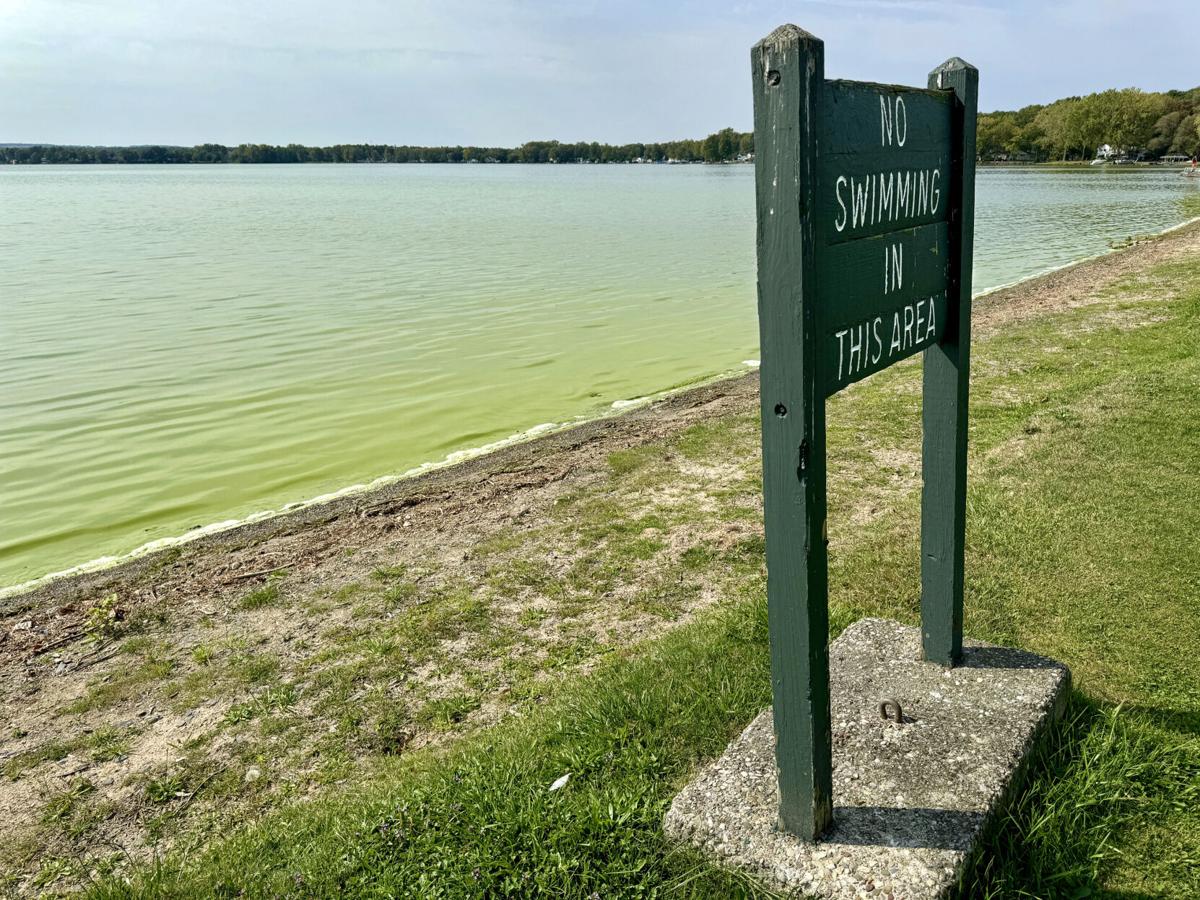

Riparian is from the Latin word Ripa, meaning riverbank. Riparian buffers protect waterways from excess nutrients in farm field run-off and urban pollution caused by everyday human activities. Buffers can stabilize streams and rivers, helping to reduce flooding and riverbank erosion. Buffers can provide a habitat for all kinds of birds and animals, helping to keep the balance in nature so necessary for biodiversity. Well-engineered riparian buffers can eliminate up to 80% of excess phosphate and nitrates from farm runoff. These are the leading causes of excess nutrients in Owasco Lake. Tree lined buffers help to keep temperature cooler in streams feeding into Owasco Lake. The rise in lake temperature is helping fuel more frequent HABS (Harmful Algae Blooms), larger HABS and more toxic HABS.
Recently a New York State judge sided with the Town of Owasco and the City of Auburn in their fight to pass the revised Owasco Lake Rules and Regulations. The judge wrote in firm language that 10 years ago, the NYS Department of Health recognized that increasingly poor water quality in Owasco Lake needed to be addressed. Our community responded and proposed new Rules and Regulations. The State reviewed the proposed changes, and in a terse comment, said they were not needed. The State did not provide any scientific evidence to back up this claim, and the Judge called them out. I can guarantee you that weeks after their rejection, no State representative would have gone swimming in our “Green Lake and Green Outlet” as we witnessed one of the worst outbreaks of HABS in the entire Finger Lakes.
The new Owasco Lake Watershed Rules and Regulations call for riparian buffers on waterways and road ditches as part of the effort to save our Lake. The width of these buffers was agreed upon in compromise to all the interested parties that participated in the formation of the rules. Some wanted more – some less but compromise was reached. We understand that New York State is promoting farm and dairy production as economic engines for upstate New Yorkers. We support that effort but no one in the Finger Lakes is willing to give up their beloved lakes in return. Riparian buffers can play a large part in providing a path forward for concerned New Yorkers.
In the 1960’s, Chesapeake Bay began showing signs of harmful effects from human and industrial pollution. Noticeable loss to fish, oyster, crab and waterfowl populations alarmed residents who lived and enjoyed one of the most beautiful areas in the country. Their efforts to correct these problems led to the Federal Government passing the Chesapeake Bay Act. At the heart of the Bay Act is the concept that land can be used and developed to minimize negative impacts on water quality. Maryland, a participating state in this project, has effectively utilized programs to reimburse farmers for land used for planting riparian buffers. They have also monetized the cost of planting the strips. New York State could use these models to implement their own programs. The most effective programs in Maryland to lower nutrient runoff in streams are in counties which mandate the practice of establishing riparian buffers. New York State does work with Federal and local partners to protect streams in water sensitive areas such as the NYC watershed. These programs are voluntary in nature.
The first HAB for this year has already been reported on Cayuga Lake. It’s July. Last year it was August. Not long ago, it seemed like HABS didn’t make their appearance till September. Riparian Buffers alone are not going to solve the problem of HABS, but they would help. It’s disheartening to pass a stream being stripped to the banks. We know this is not good for the Lake. New York State should provide a viable vision for a clean, healthy and sustainable future for the Finger Lakes. New York State should focus on resolving the water quality issues facing the Finger Lakes. We did as a community and with hard work composed the updated Rules and Regulations for our Watershed. New York State should help all the interested parties to implement them.
Read more articles