Be lake-friendly, avoid monsters


In the past we have thought that there may be monsters in our lakes. They were often thought to be green and hard to be seen. Now we are just beginning to understand that bacteria in low concentrations help us with oxygen, clean water and energy for ourselves and a healthy ecosystem. Now we also know that if we overfeed them with phosphorous and nitrogen they may get too concentrated, form colonies, and then produce blooms and toxins.
The Owasco Watershed Lake Association, along with the Owasco Lake Watershed Management Council, the Finger Lakes Watershed Regional Alliance, and New York State Federation of Lake Associations, have all recommended lake-friendly living. This is possible and mutually beneficial since we and Owasco Lake and related lakes are living beings. When we understand and help each other, all we end up healthier. If we allow excess nutrients and soil into the lake, then we may help create a blue green monster of hazardous algal blooms (HABs) or hazardous cyanobacteria overgrowths (HCOGs). Cyanobacteria are also known as blue green algae.
People, by living, growing plants/animals and producing goods, may create waste nutrients and solids that may get to the lake and encourage the overgrowth of algae, water plants, bacteria, diatoms and dinoflagellates. The algae and water plants may cause physical obstructions to recreation/water use. When the algae and water plant overgrowths die off, that may cause odor and taste problems and the overgrowth of toxic microbes such as bacteria, diatoms and dinoflagellates. In the summer, when the water gets warm enough and there is enough sunshine and nutrients such as phosphorus and nitrogen, then the cyanobacteria may overgrow/bloom and then produce toxins. At other places with these conditions, diatoms and/or dinoflagellates may overgrow and produce toxins such as with red tides or pfiesteria overgrowth.
The most common problem now in our area is the overgrowth of the cyanobacteria microcystis aeruginosa that produces the toxins called microcystins. They may cause liver damage with symptoms of nausea, vomiting, abdominal pain, diarrhea, headache, fever and skin rashes in humans and many animals. Drinking water should be kept at levels below 0.3 micrograms/liter (ug/L). For swimming/recreation, avoid levels above 4 ug/L. If HABs are seen/suspected, avoid the blooms and any water nearby. Pregnant women, infants, elderly and anyone with liver disease should avoid levels above 0.15 ug/L. The city of Auburn and town of Owasco drinking water plants check their source water daily from July to October for signs of blue green algae. If they are detected, then the raw or source water and the finished or processed water is sent to a reference laboratory to check for the ug/L of microcystins, if any are detectable in the water. If there are signs of cyanobacteria, then the drinking water plants of Auburn and/or Owasco will add powdered activated charcoal or granular activated carbon to the water in processing and then filter it out to remove microcystins from the finished drinking water.
The lake is a living system of many plants, animals and micro-organisms that, when in balance, produce oxygen, clean water and food, and decrease carbon dioxide and harmful micro-organisms. In the winter Owasco Lake has diatoms growing in the ice and water, powered by using sun energy and water nitrogen and phosphorus. In spring, the algae and plants grow more as there is more sun and warmth using nutrients in the water and some from sediments. When the water temperature is above 50 degrees Fahrenheit then the cyanobacteria will start growing using phosphorus and nitrogen in the water, and if needed nitrogen from the air. The photosynthetic (light-using/oxygen-producing) microbes (phytoplankton) compete among themselves and with plants for access to the sun. Microbes in the lake and mollusks or clams may eat the diatoms, microscopic algae and bacteria, and/or compete for the phosphorus, nitrogen and oxygen. Fish, reptiles, insects, insect larvae, birds and mollusks may then feed on the zooplankton. If there are too few predators then the phytoplankton may overgrow and thus may produce toxins. If there are too many predators then the lake may have less oxygen and less food for the surviving predators, with less fish and more die-offs of all the predators. This also may produce taste/odor problems and overgrowth of bacteria and fungi feasting on dead organisms. We see large animals interacting and communicating, but also the bacteria signal each other and join in colonies or groups. The bacteria in low concentrations are usually harmless to us, but when given too much nutrition they may produce toxins, enzymes and/or biofilms that are harmful to us. We and all these microbes, plants and animals living together form an ecosystem or food web that, when balanced, produces oxygen, clean water and energy that is healthful for us and the ecosystem.
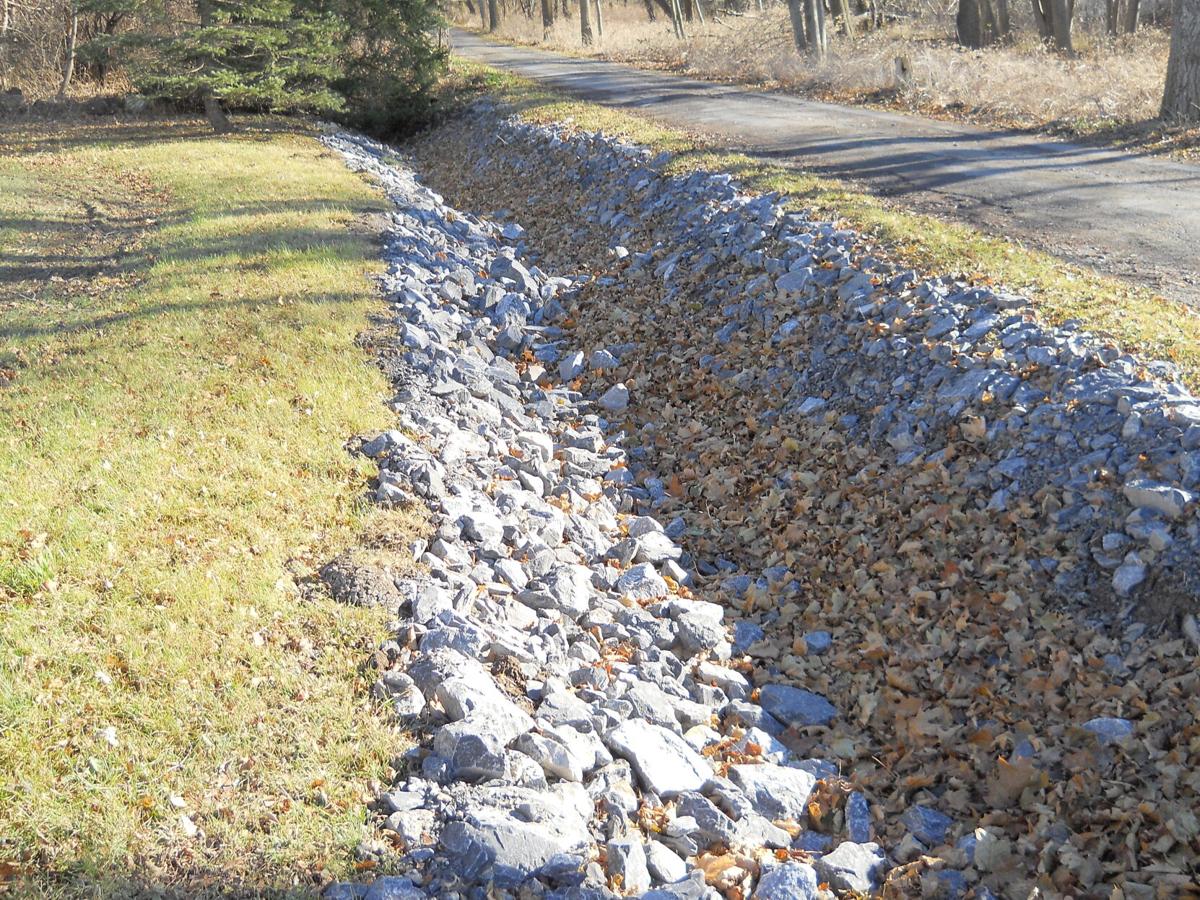
Be lake-friendly to help avoid lake monsters.
Read more articles