How Owasco Lake orgs teamed to remove abandoned oil drums in Locke


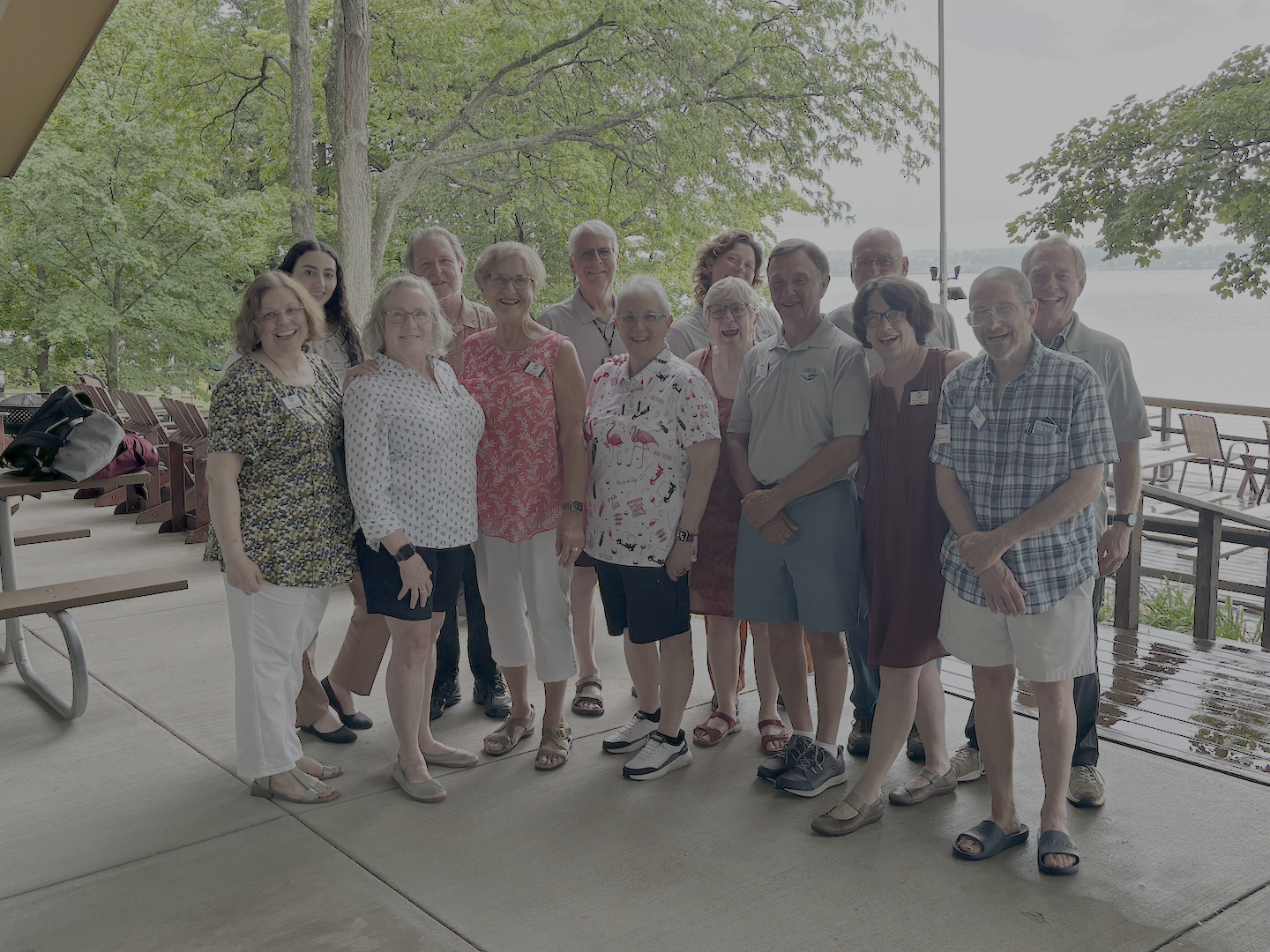
At the end of September, the Owasco Lake Watershed Management Council and the Owasco Watershed Lake Association celebrated the long-awaited cleanup of abandoned oil drums at a site near the Owasco Inlet. The site remediation and stabilization marked the end of more than a year of project investigation, coordination and persistence by local and state partners.
The story began in July 2024, when a local resident reported a concerning scene to the town of Locke town board: an area near the Owasco Inlet was littered with burned and melted containers, some leaking oil. The town supervisor quickly notified the New York State Department of Environmental Conservation, which launched an investigation.

When DEC inspectors arrived, they found roughly 18 55-gallon drums, seven 15-gallon plastic containers and more than 100 2-gallon jugs — many damaged by fire and spilling unknown oil onto the ground merely 100 feet from the Owasco Inlet. Fortunately, subsequent to the fire having burned out, there was no immediate threat of further leakage into the waterway, allowing the DEC to proceed methodically rather than under an emergency response protocol.
Typically, the DEC can identify a property owner through tax records and begin enforcement and cleanup actions quickly. However, this case was far from typical. A review of Cayuga County tax maps revealed that the listed property owner had died in 2018. Historic satellite images confirmed that the containers were placed there sometime between 2019 and 2021. With no living owner to contact, the DEC sent certified letters to potential parties and brought in its real property division and legal staff to determine who could authorize cleanup.
As the OLWMC’s lead watershed inspector and a local resident, I was well-positioned to investigate among community residents and gained contact information for the deceased property owners’ family to share with the DEC. The family claimed the bank had foreclosed on the property in 2018 and they had no affiliation with oil drums stored on site. They heard that someone believed they were going to buy the property through auction and started staging the oil drums on the property.
Investigators found that a bank had been paying taxes and performing minimal upkeep on the parcel. The bank claimed the family still owned it. Being that no one officially owned this property, the DEC got permission from both the bank and the family to satisfy their legal requirements to gain access to the site. The DEC agreed to pay for the cleanup because there was no one to accept property liability. DEC said this was one of the oddest situations they had come across concerning the ownership of a property.
The first step was to have the oil in the drums and adjacent soils sampled and tested. This step was taken to determine whether site contamination met the DEC’s requirements for them to cover the costs of the cleanup effort, as well as to inform the process for appropriate remediation procedures and contaminant disposal.
The results of the test identified the oil as unknown hydrocarbons (C9-C36). The lab results and various interviews informed the probable scenario that an unknown person, possibly thinking he/she could purchase the property at auction, staged drums of used cooking oil with the intention of having the oil processed into bio fuel. These test results were consistent with the prospect that the substance found within the drum was cooking oil. Used cooking oil is considered nonhazardous and does not meet the requirements for the DEC to pay for site remediation. Therefore, the DEC ceased their involvement with the project. As an alternate approach, OLWMC staff reached out to the Cayuga County Health Department because they can fund cleanup projects under certain circumstances. However, this project also did not meet their criteria.
By this time, many people were aware of this site and were becoming impatient with how long it was taking to address the concern, and they did not except that this eyesore was going to sit idle. The prospect was that the drums and containers would continue to fail, or vandals could dump or damage the drums, releasing large amounts of cooking oil toward the Owasco Inlet, merely 100 feet away. The town of Locke supervisor said, “This site is no one’s problem, but it’s everyone’s problem,” a statement that stuck with me.

One of the primary risks of dumping cooking oil on the ground is it creates a barrier that blocks the flow of oxygen and nutrients essential for plant growth. Cooking oil can coat plant roots, inhibiting their ability to absorb water and essential nutrients. This condition can be seen in project pictures taken onsite; the grass died and did not come back where the oil had spilled. Such damage can be extensive enough to kill entire trees. If hundreds of gallons of cooking oil were to reach the creek, it could have had devastating effects. A quarter-gallon of oil can coat an acre of calm water — the size of a football field — in minutes. Birds landing on an associated oil slick can lose insulation and buoyancy, while smaller aquatic creatures may suffocate in the oxygen-starved layer below (elmens.com). Oil coating the ground and stream bottom could negatively impact the food chain from the bottom up.
This cleanup would cost substantial money and manpower to organize. OWLA had been aware of the abandoned drum site for some time and closely followed the situation as it developed. As an organization dedicated to improving and protecting water quality, OWLA saw the cleanup as an ideal opportunity to put its fundraising efforts to meaningful use. They asked me to take the lead in determining what would be required to get the project started and how much the cleanup might cost. I was familiar with the process and the challenges ahead, having spent over 13 years working in the environmental field on projects similar to this one.
The first step was securing access permission from both the bank that held the property and the next of kin. I reached out to both parties, but each gave the same answer — no. Their hesitation was understandable; they were concerned that granting access might expose them to financial liability. From their perspective, it seemed safer to simply leave the site as it was. When I reported the setback to OWLA, one of its lead members, Carl Weber, decided to give those communications a try himself. It seemed like a long shot, but Carl was determined. Initially, he received the same refusals I had — but he didn’t give up. Through persistent, thoughtful conversations, Carl was able to reassure both parties that our only goal was to remove the drums and prevent any further oil leakage. Thanks to his efforts, both finally agreed to allow the cleanup to proceed.
With access secured, I began collecting quotes from licensed environmental contractors who could remove and properly dispose of the waste. Meanwhile, OWLA launched a fundraising campaign to cover the costs. Momentum Environmental, based in Bath, provided the best proposal: approximately $10,000 for the full cleanup, transportation and disposal. That number gave OWLA a clear fundraising target. OWLA quickly mobilized local support, reaching out to businesses and community members to help cover the cost (see the list of donors at the end of this article). This effort became the first project funded through OWLA’s Joe Wasileski Memorial Challenge Program, established in honor of Joe Wasileski. His brother, John Wasileski, pledged to match local business donations dollar-for-dollar to support projects benefiting Owasco Lake’s water quality.
With the funds raised and a signed contract in place, Momentum Environmental completed the cleanup on Sept. 25. Fourteen months after the site was first reported to the DEC, the abandoned drums were finally removed and the area was stabilized. This project stands as a strong example of what can be accomplished when community members, local organizations and environmental professionals work together toward lake-friendly problem solving. Sites of concern — those that could threaten our watershed or local environment — should be reported to the Owasco Lake Watershed Inspection and Protection Division. Together, we may be able to make a difference — just like we did at the Owasco Inlet.
Local donors
- ALNYE Trucking
- First National Bank of Groton
- Willis E. Kilborne Agency in Moravia
- Lepak’s Docks
- Owasco Marine
- Pennell’s Auto of Moravia
- Prison City Brewing
Jesse Lloyd is lead watershed inspector for the Owasco Lake Watershed Inspection and Protection Division. For more information, visit owascoinspection.org.
Read more articles