'Action is Hope': Owasco Lake event to educate about HABs, HWA


What is happening to Owasco Lake? Lake conditions often become a focal point of conversation during certain times of the year, raising concerns about water safety and environmental health. Last year, floating foam on the lake prompted questions about its safety and the measures in place to protect this vital source of public drinking water. These issues are significant to the community, prompting ongoing monitoring and research efforts and developing a sense of stewardship with property owners in the watershed.
The Owasco Watershed Lake Association recognizes these concerns and has planned the 2026 Bob Brower Scientific Symposium in Plain English, scheduled for Saturday, March 14, at Auburn Public Theater. The event, themed "Owasco Lake: Action is Hope,” aims to inform the public about current initiatives to preserve and improve the lake's health. It is a free, hybrid event from 9 a.m. to noon, offering continuing education credits for qualified attendees. Registration is available at owla.org.
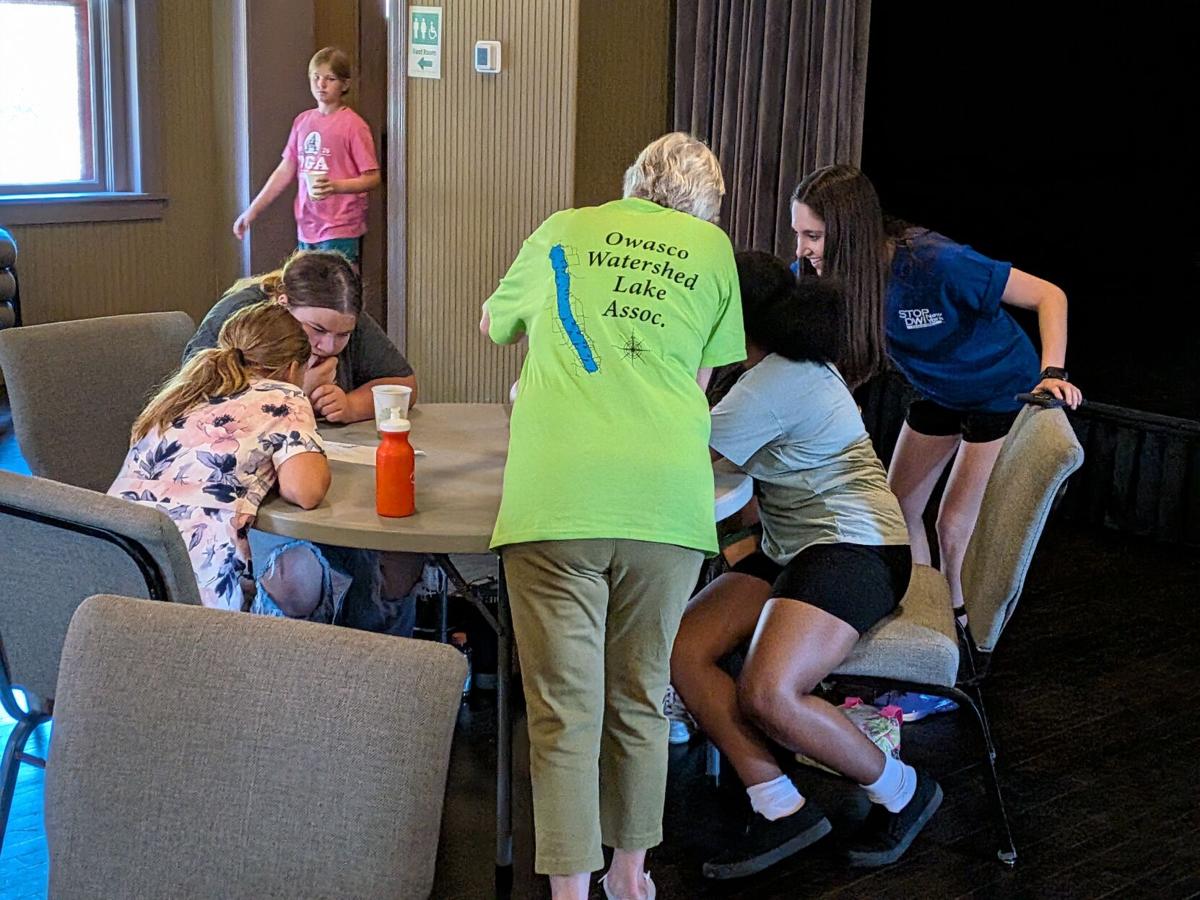
The theme emphasizes optimism rooted in proactive efforts. OWLA members remain hopeful as they monitor harmful algal blooms, collect water samples, survey forests for invasive species like hemlock woolly adelgid, and educate students about watershed health. The symposium aims to enhance community understanding of ongoing projects and how residents can contribute to lake preservation. Focused action plans, supported by partners, target identified watershed issues to achieve positive outcomes. Continue reading for more information.
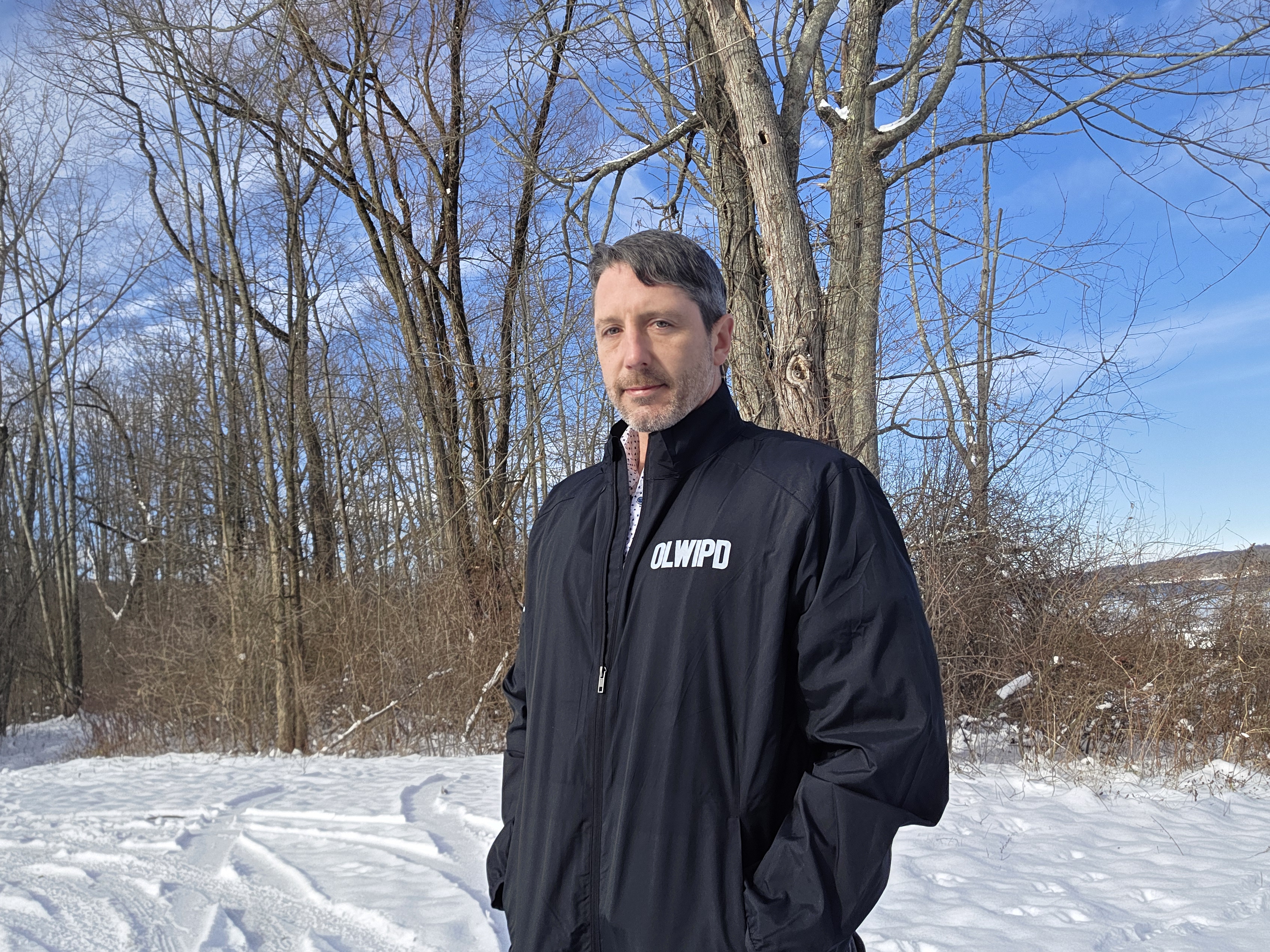
Jesse Lloyd and Adam Effler from the Owasco Lake Watershed Management Council will provide updates on watershed regulations, inspection outcomes and projects under the Nine Element Plan for Phosphorus Reduction. Jesse Lloyd, B.S., has been the lead watershed inspector since July 2024, bringing 15 years of experience as an environmental geologist.
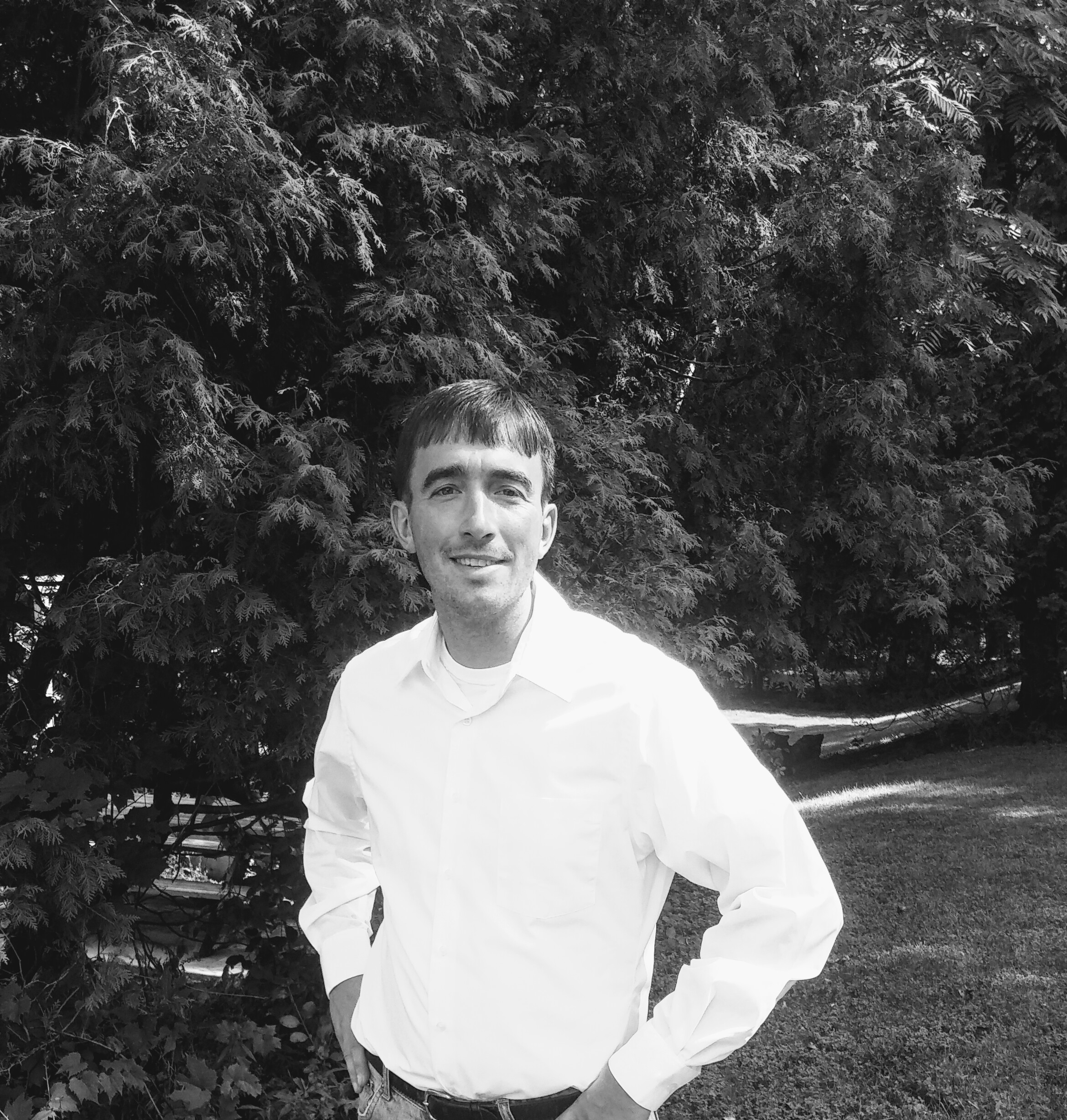
Adam Effler, Ph.D., serves as the council’s executive director, leveraging his multidisciplinary background to connect scientific research with practical watershed management aimed at protecting water quality for over 45,000 residents relying on Owasco Lake.
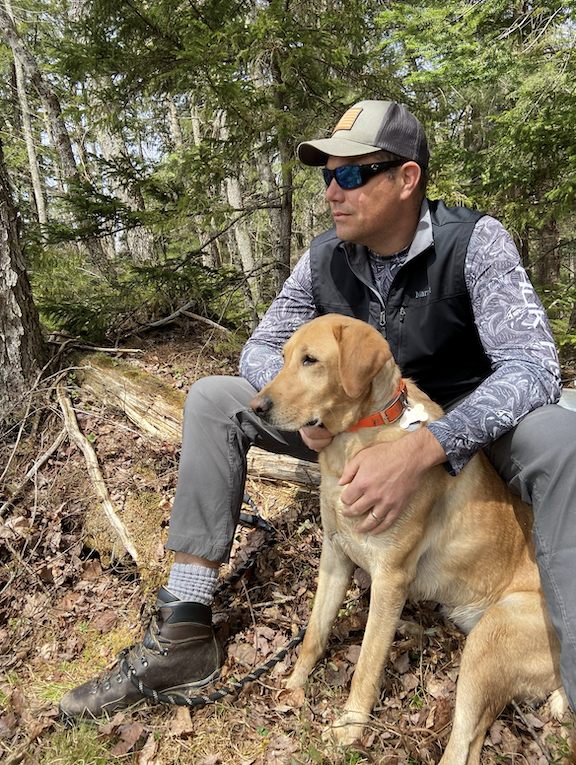
Seth Jensen, P.E., the city of Auburn’s director of municipal utilities, will discuss initiatives to promote lake health and watershed stewardship. His presentation will cover city efforts to maintain a healthy lake, including a $99 million reinvestment in wastewater treatment infrastructure, which involves replacing existing facilities and developing a biosolids management system. As the city’s engineer, Jensen oversees water filtration, sewer treatment, hydroelectric operations, and right-of-way management, emphasizing the importance of these efforts for the lake’s sustainability.
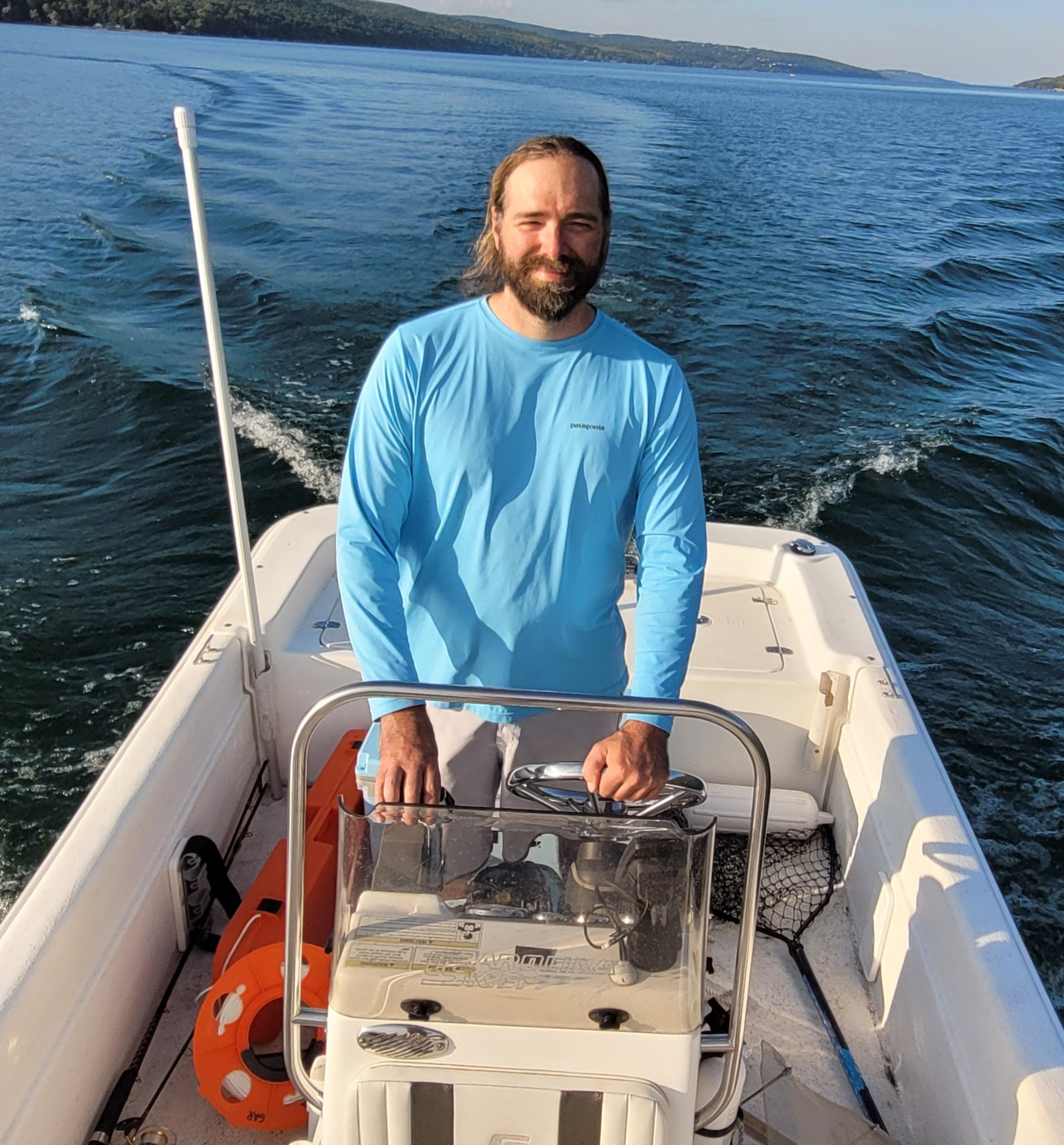
Rick Smith, Ph.D., from Global Aquatic Research, will address cyanobacterial HABs and the unusual surface foam phenomenon linked to these blooms in the Finger Lakes. These HABs pose a significant threat to drinking water, safety and recreational enjoyment. Smith will explore the drivers of them in low-nutrient Owasco Lake and discuss research and management strategies needed to mitigate their impact. His expertise in biological and chemical interactions helps unravel complex issues like bloom formation and pollutant transformations in natural waters.
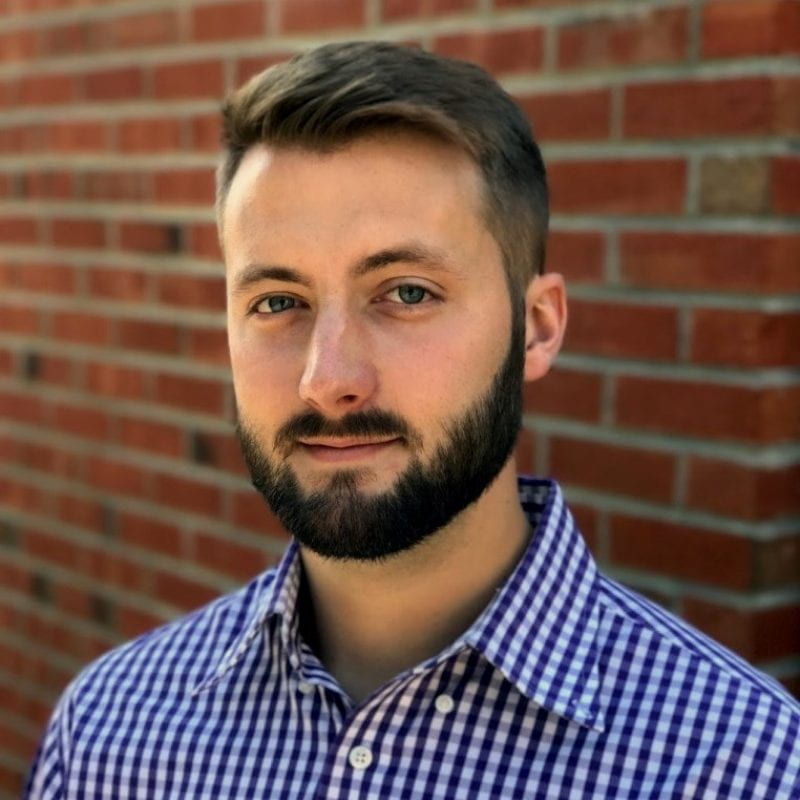
Matt DelBuono from the Cornell HWA initiative will explain the importance of protecting hemlocks, detailing management strategies, monitoring techniques, biocontrol efforts, and long-term resistance breeding projects. His role focuses on public engagement and outreach to foster community involvement in invasive species management. OWLA is in its sixth year of a decade-long campaign targeting the invasive hemlock woolly adelgid.

The health of hemlock trees influences watershed stability and water quality. Hemlock trees provide lake-friendly benefits to our water bodies by shading streams and locking soil in place along shorelines. The HWA threatens this native species, and the loss of hemlocks may unleash sediment and nutrients into our lakes in quantities not previously recorded. We will present on the work OWLA volunteers have contributed from traversing the woods and gullies to identifying and GPS-locating infected hemlock trees for treatment.
Overall, the symposium aims to educate and empower the community, highlighting collaborative efforts to safeguard Owasco Lake. Through scientific research, infrastructure improvements, invasive species control, and public participation, the event underscores that proactive action fosters hope for a healthier watershed and lake environment.
We invite you to attend. The Bob Brower Scientific Symposium in Plain English is sponsored by the Brower family, with hybrid capabilities provided through Auburn Public Theater, 8 Exchange St., Auburn. Tell your friends and family, and be sure to register for this free presentation at owla.org. "Owasco Lake: Action is Hope."
Ann Robson is a past president of the board of directors of the Owasco Watershed Lake Association, and chair of the committee for the Bob Brower Scientific Symposium in Plain English.
Read more articles